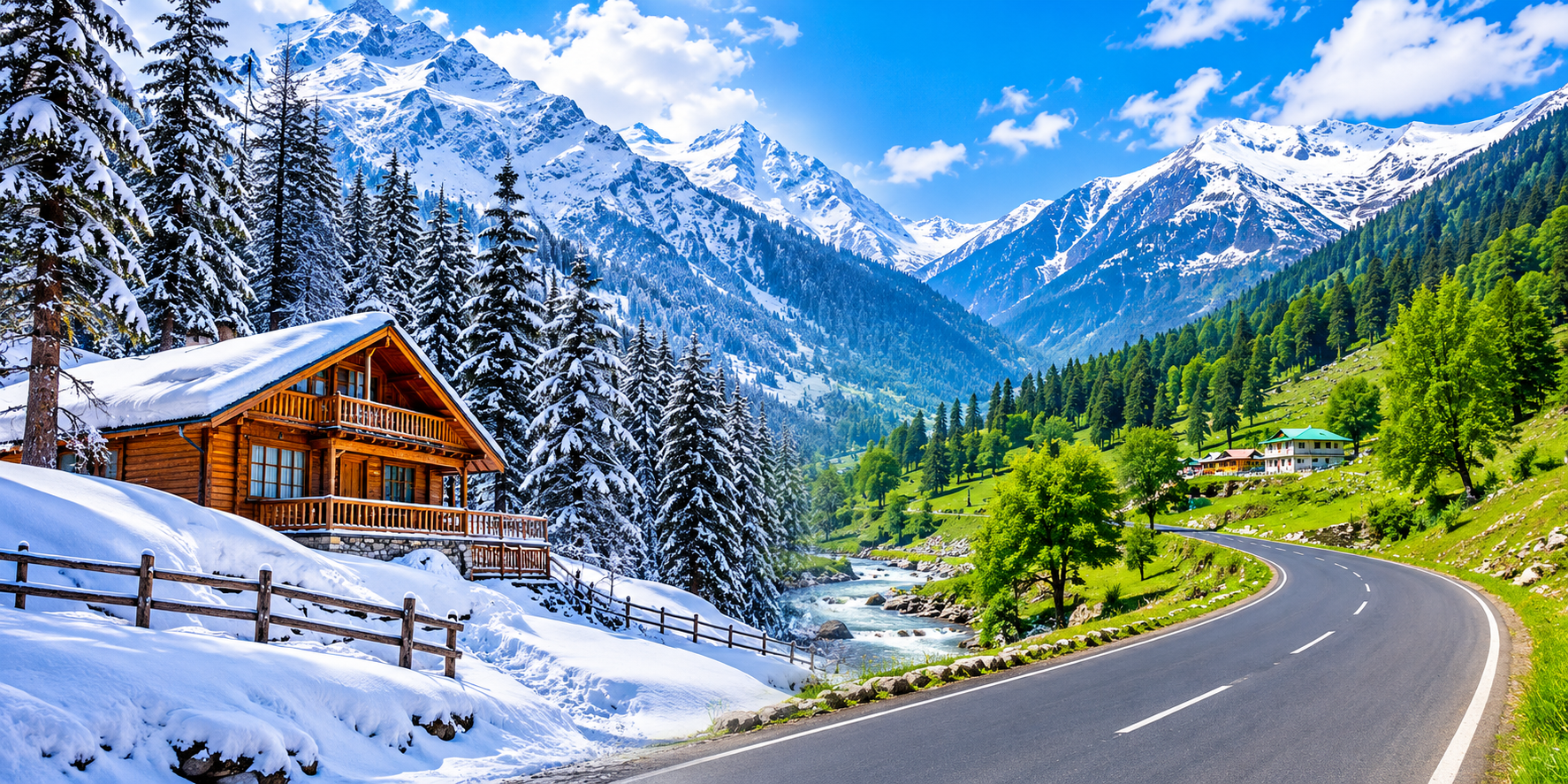
Ask ten people when to go to Manali and you’ll get ten answers. That’s because the town changes completely with the season. Winter is white and cold. Summer is easy and busy. Monsoon is green, wet and a bit risky. Here’s how each one actually feels, so you can pick what suits you.
Quick Answer: Best Time to Visit Manali at a Glance
Want snow? Go between December and February. Want easy sightseeing with family? March to June works best. Want cheap rooms and quiet lanes, and don’t mind some road trouble? Try July to September.
October sits in the middle. The skies are clear and the cold is just starting. If you’re a first-timer and can’t decide, the best time to visit Manali is April to mid-June, or the last two weeks of December.
Manali Weather & Temperature Chart Throughout the Year
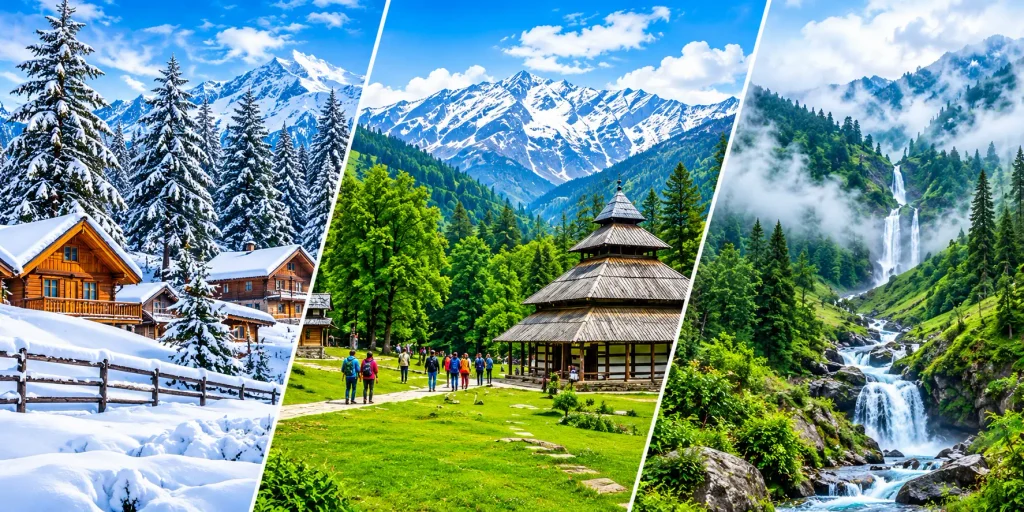
These are rough ranges for Manali town. Solang and Rohtang will be colder than this.
- January: -4°C to 10°C, very cold, snow likely
- February: -2°C to 12°C, snow still around
- March: 3°C to 17°C, snow melting
- April: 7°C to 21°C, clear and pleasant
- May: 10°C to 25°C, crowded
- June: 14°C to 27°C, warm days, cool nights
- July: 16°C to 25°C, rain starts
- August: 16°C to 24°C, wettest month
- September: 12°C to 24°C, rain slows down
- October: 6°C to 21°C, dry and crisp
- November: 1°C to 16°C, cold, high passes get snow
- December: -2°C to 11°C, snow season begins
Mountain weather doesn’t follow rules. Use the numbers as a guide, not a promise.
Manali in Summer (March to June): Ideal Season for Families & Sightseeing
If you want zero stress, come in summer. Roads are open and the sky is mostly clear. Hadimba Temple, Old Manali, Vashisht hot springs, Jogini Falls and a slow walk along the Beas all fit into a few easy days.
March is still chilly and you might spot old snow on the hills. April and May get packed. I’d go in early April or the first half of June if you can’t stand queues.
Kids and elderly parents usually cope best in this window. The weather is gentle, and long drives don’t wear anyone out.
Rohtang Pass & Solang Valley Summer Access: Permits, Timings & Entry Costs
Usually vehicles get through from mid-May or June, after the BRO finishes clearing snow. Check close to your travel date, because it can shift by a couple of weeks.
You need a permit to drive up, and it’s booked online through the Himachal tourism system. Only a limited number of vehicles go each day, and the fee is a few hundred rupees. Rules change, so confirm the latest on the official site. The pass also stays shut one day a week for maintenance.
Leave by 6 or 7 in the morning. Traffic builds up fast, and clouds roll in by afternoon. Solang Valley needs no permit and no entry fee. You only pay for things like paragliding, the ropeway, zorbing and horse rides, so ask the price before you say yes.
Monsoon in Manali (July to September): Landslide Risks & Safety Advice
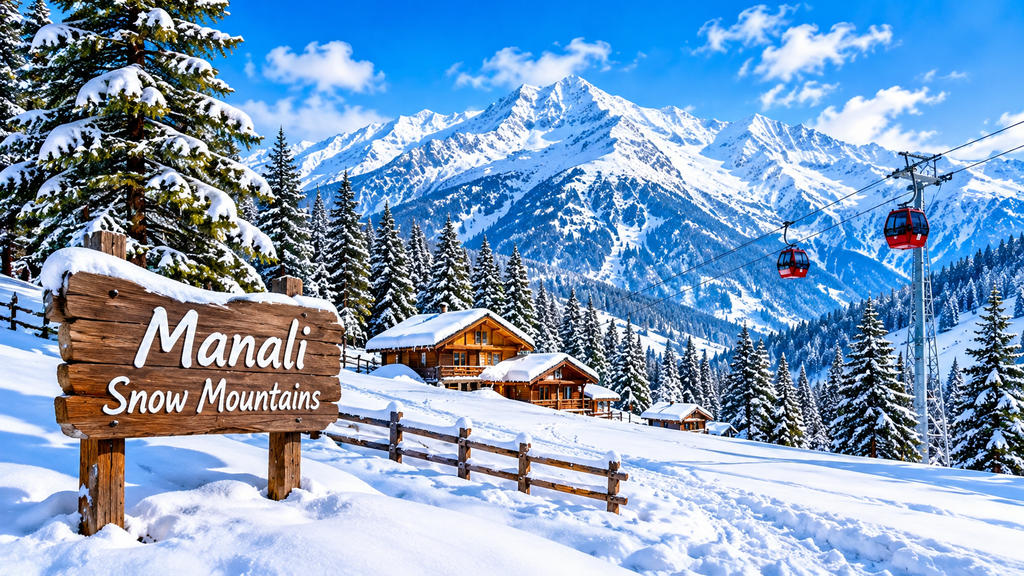
Monsoon makes the hills beautiful, but the roads take a beating. Landslides happen often, mostly on the Mandi to Kullu stretch and near Kiratpur. In some recent years, floods shut parts of the highway for days.
So, is it safe to visit Manali in monsoon? Sometimes yes, sometimes no. Don’t drive at night. Check the road news before you leave. Add two spare days to your plan in case you get stuck. If heavy rain is forecast, skip the high places.
With small kids or elderly relatives, I’d pick a different season. And book hotels with free cancellation, because plans really do fall apart in July and August.
Offbeat Monsoon Benefits: Apple Harvesting Season, Quiet Stays & Budget Rates
It’s not all bad. Hotel prices drop a lot, sometimes to half of peak rates. Cafes are calm, trails are empty, and mist hangs over the pine trees in the morning.
From late August through October, apples are picked in the villages around Manali. You can walk through orchards, buy fruit straight from the farmer, and sometimes find fresh cider. A homestay is the best way to see this.
Photographers, slow travellers and anyone tight on budget will enjoy it, as long as dates are flexible.
Winter in Manali (October to February): Snowfall Dates & Cold Weather Guide
Winter is long here. October is dry with freezing nights. November gets colder, and by December the whole town feels like winter.
Days are short, and it’s dark by 5 PM. Pipes can freeze, and a few hotels cut back on services. A good heater matters more than a nice view, so ask whether the room has a heater or a bukhari (wood stove) before booking.
If snow is why you’re coming, none of this will bother you. Plenty of people say winter is the prettiest time here.
When Does It Snow in Manali? (Historical Snow Timeline & Month-Wise Breakdown)
Snowfall changes from year to year, so nobody can give you an exact date. This is the usual pattern.
- Late October to November: Snow on high passes like Rohtang, light fall in upper valleys
- December: Snow reaches Solang, and sometimes the town around Christmas or later
- January: Heaviest and most reliable snow
- February: Still snowy, with more sunny days
- March: Snow stays high up, melts in town
So when does snowfall start in Manali? Around November on the heights, December in town. The best month to visit Manali for snowfall is January. Late December and February come close.
Solang Valley, Sethan & Hamta: Skiing, Snowboarding & Winter Igloo Stays
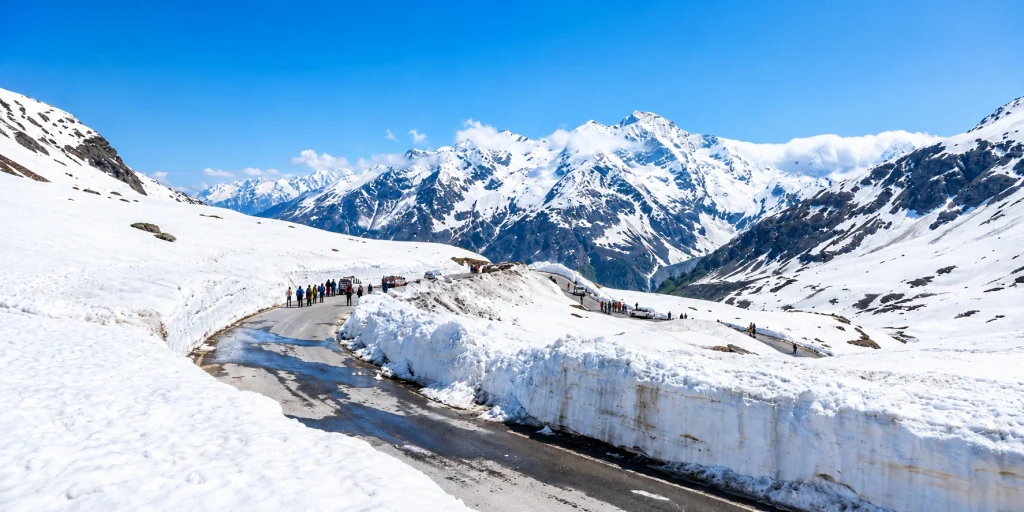
Solang Valley in winter is the main snow spot. Beginners can try skiing, snowboarding, snow scooters and sledding. Lessons are short, and you can rent gear right there.
Sethan is on the Atal Tunnel side and is quieter, with deep snow. Couples and small groups like it for the lack of crowds. Hamta is mostly a summer trek. In winter, only experienced hikers should go, and only with a guide.
Igloo stays and snow camps are trending. They look great in photos but can be freezing at night. Ask about heating, blankets and bathrooms, and read recent reviews first.
Rohtang Pass vs. Atal Tunnel in Winter: Snow Road Clearance Status
A lot of travellers mix these two up. Rohtang Pass stays closed to vehicles for most of the winter because the snow is too deep and the road is unsafe. Don’t plan to visit it in winter.
The Atal Tunnel is your winter option. It’s about 9 km long and connects Manali with Lahaul, so you can reach the Sissu side and see snowy views without crossing the pass. It’s open most of the year, though heavy snow or avalanche risk on the roads leading to it can stop traffic for a few hours.
Check the weather and road status on the same morning you travel. Ask your hotel or driver, or look at local police and tourism updates. Searching for the Atal Tunnel weather today takes two minutes and can save your whole day.
Month-by-Month Breakdown: Which Season Matches Your Travel Style?
- January–February: Snow lovers, first-time snow watchers, ski beginners
- March: Mixed weather, fewer people, cheaper rooms
- April–June: Families, sightseeing, Rohtang trips
- July–August: Budget travellers okay with risk, green views
- September–October: Apples, clear skies, great for photos
- November: Quiet and cold, low prices before the rush
- December: Peak holiday season, high prices, better snow chances
Manali in December is fun but crowded. Rooms sell out weeks before Christmas and New Year, prices shoot up, and the highway jams. If you can, go in the first week of December or after January 10. You’ll get similar snow with far fewer people.
Best Time to Visit Manali for Honeymooners & Couples
For a honeymoon I’d pick one of two windows. December to February gives you snow, warm blankets, hot soup and fire pits. March to June gives you easy walks, cafe hopping and open roads.
Want romance without the crowd? Try late January or early March. Choose a quiet stay in Old Manali, Naggar or Vashisht, away from Mall Road noise. A mountain view and a good heater will do more for your trip than any flower decoration.
Read this blog also: – Manali Tour Package Cost for Couples and Families
Best Time to Visit Manali for Backpackers & Budget Travelers
Backpackers can be flexible. Late spring and September are easy on both weather and wallet. Monsoon is the cheapest but risky, and December costs the most.
Old Manali hostels are the usual base, with cafes, music and plenty of people to meet. Take local buses for short rides and share taxis for day trips. Eat at dhabas to save money. If you want to trek, go between June and September, when the high trails are open.
How to Reach Manali Safely: Volvo Buses, Flights & Drive Routes
Manali is about 540 km from Delhi, and the trip takes 12 to 14 hours.
- Bus: Overnight Volvo and sleeper buses leave Delhi every day. They’re comfortable and affordable, but book early in peak months.
- Flight: The nearest airport is Bhuntar in Kullu, about 50 km away. Flights are limited and weather can delay them, so keep a backup plan.
- Road: The route runs through Chandigarh, Mandi and Kullu. Start early, take breaks, and avoid night driving in rain or snow.
- Train: The closest stations are Chandigarh and Pathankot, then you take a road transfer.
In winter, check for snow or landslide alerts on the highway. If you’re driving yourself, carry snow chains and take icy turns slowly.
Manali Winter vs. Summer Packing List: Essential Clothing & Footwear
Winter:
- Thermals, a fleece and a heavy down jacket
- Waterproof gloves, a woollen cap, thick socks
- Snow boots or shoes with good grip
- Moisturiser, lip balm and sunscreen, because snow glare burns skin
- A power bank, since the cold drains phone batteries quickly
Summer:
- Light cotton clothes and a warm jacket for evenings
- Comfortable walking shoes
- Sunglasses, a hat and sunscreen
- A thin rain jacket, just in case
In any season, pack basic medicines, a water bottle and a copy of your ID.
Conclusion:
The right month makes the whole trip smoother. Choose snow for adventure, summer for comfort, or monsoon for peace and savings. Keep this Best Time to Visit Manali: Snow, Summer and Monsoon Guide handy while you plan, and check road and weather updates a day before you leave.
If you’d rather not sort out the details yourself, a Manali Tour Package from Ultimate India Holidays covers stays, transfers and sightseeing. You enjoy the mountains, and we handle the rest.
FAQs: Best Time to Visit Manali
1. When does it usually snow in Manali?
Snow usually reaches Solang Valley in December and sometimes the town around Christmas. January is the most reliable month, and the high passes get snow from November.
2. Which is the best month to visit Manali for snowfall?
January is the best month for snowfall, with heavy and dependable snow in town. Late December and February are close behind and usually have fewer crowds than Christmas week.
3. Is it safe to visit Manali in monsoon?
It can be safe with care. Avoid night travel, check road updates before leaving, keep spare days in your plan, and skip high places when heavy rain is forecast.
4. When does Rohtang Pass open for tourists?
Rohtang Pass usually opens for vehicles between mid-May and June, after snow is cleared. The date changes every year, so confirm it close to your travel dates.
5. Is Rohtang Pass open in winter?
No, Rohtang Pass stays closed to vehicles for most of winter because of heavy snow. Visitors can use the Atal Tunnel to see snowy views on the Lahaul side.
6. Is a permit needed to visit Solang Valley?
No permit is needed for Solang Valley, and entry is free. You only pay for activities like paragliding, the ropeway, zorbing, skiing and horse rides.
7. What is the best time to visit Manali for a honeymoon?
December to February suits couples who want snow and cozy stays, while March to June is better for open roads, walks and cafes. Late January and early March are quieter.
8. How cold does Manali get in December?
In December, Manali town usually sees temperatures from about -2°C to 11°C. Solang Valley and higher areas are colder, so pack thermals, a down jacket and waterproof gloves.
9. Can I visit the Atal Tunnel area in winter?
Yes, the tunnel stays open most of the year. Heavy snow or avalanche risk on approach roads can stop traffic briefly, so check road and weather status that morning.
10. How many days are enough for a Manali trip?
Four to five days cover Manali town, Solang Valley, Old Manali and the Atal Tunnel side comfortably. Add one or two days if you want Naggar or Kasol.